
This guide examines comparing bubbler designs & components through product construction and specifications that a listing can actually verify. Glass and hand-pipe categories often mix shape names, materials and decorative styles. Separating those attributes makes a product page much easier to read and prevents an attractive photograph from replacing the specifications. We begin with chamber layouts and then consider dimensions, care and differences between related categories. The aim is to help you interpret actual maker data, distinguish overlapping terms and recognize information that still needs verification before comparing products.

Chamber layouts
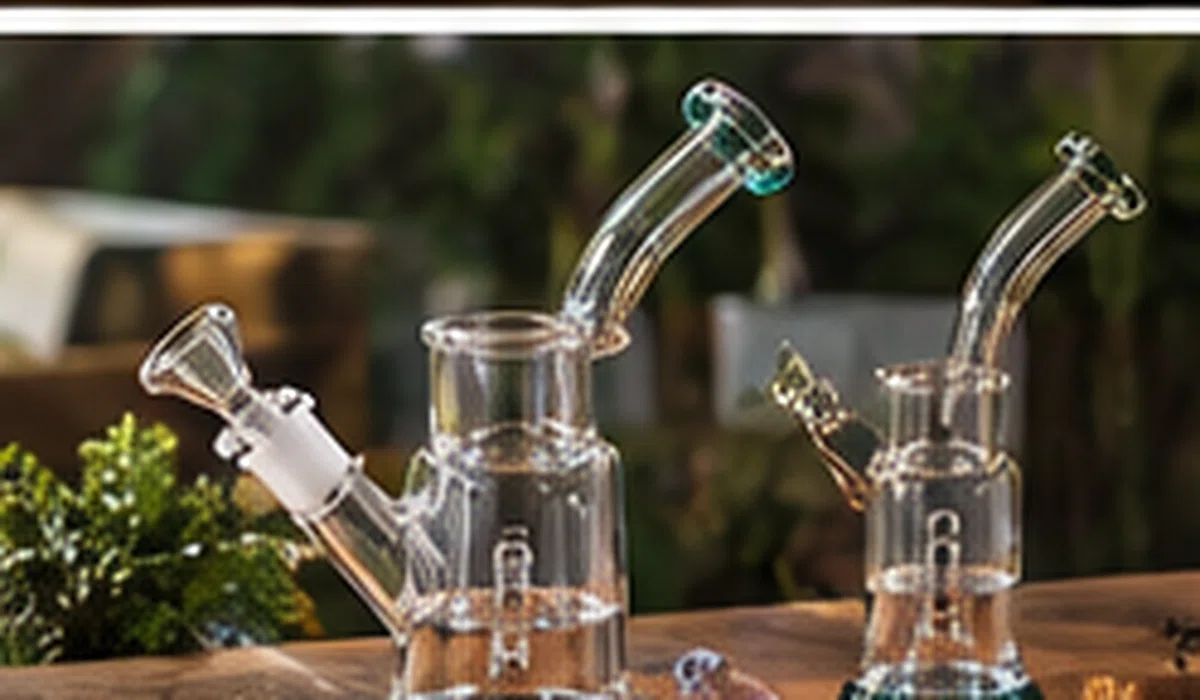
Bubblers may use a compact chamber below the bowl and stem or a more complex multi-part arrangement. Photos from multiple angles help buyers understand the actual construction.
For this particular comparison, the distinction behind 'chamber layouts' is most useful when it can be connected to a named material, dimension or individual part. A product photograph may show the overall shape, but it cannot establish every internal feature or manufacturing tolerance. For a useful side-by-side comparison, record verified material and whether components are removable and type of bowl or chamber and photographs from multiple angles. These details help reveal differences that a generic category page cannot show.

Fixed versus removable parts
Some designs are mostly one piece, while others offer removable fittings. This distinction affects storage, cleaning access and replacement options.
When reviewing several listings under this topic, keep the terminology consistent. Treat an advertised attribute as a claim to verify and record any missing figures as unknown; a missing specification is not evidence that the feature is absent. Also check verified material and whether components are removable. If the manufacturer does not provide it, treat the point as a question for the product seller, not as an invitation to guess.
Inspect the base and openings
Compare the stability of the base, mouthpiece profile and reachable areas of the chamber. Shape labels alone cannot describe these details.
This matters when products are grouped into overlapping collections. A single item may belong to several categories, yet only its model-level measurements and included components can resolve the practical differences for a buyer. It can help to mark each product field as verified, unverified or not applicable. In that way, two attractive models are compared by the same evidence and not by whichever listing has the longer description.
Categorize by verified features
Use exact dimensions and maker descriptions for water chamber, joint and material information. Do not infer a specific internal layout from a generic name.
Use both the description and the technical specification block, ideally supported by a dimensional image. If they conflict, request a clarification instead of extrapolating from an image or assuming an industry-wide rule. A final comparison should preserve the distinction between a product feature and a compatibility promise. The latter requires the correct dimensions and, where possible, manufacturer confirmation.
A practical product-page comparison
Imagine a straight hand pipe and a curved bubbler both advertise a similar length. The second piece may need extra room for its chamber or bowl, so a length-only comparison will not tell you which protective case fits. Record the whole assembled envelope.
Use this checklist specifically for comparing bubbler designs & components. The useful comparison is a physical one: material, shape, maximum dimensions, what is removable and how the item can be stored. Keeping the same fields across candidate items makes uncertainty obvious rather than hiding it inside marketing copy.
Overall length plus the widest and tallest dimensions
Verified material and whether components are removable
Type of bowl or chamber and photographs from multiple angles
Storage protection and maker-recommended cleaning approach
Common questions
What should shoppers check about chamber layouts?
Bubblers may use a compact chamber below the bowl and stem or a more complex multi-part arrangement. Photos from multiple angles help buyers understand the actual construction. Look for a specific model and its relevant dimensions before relying on a general marketing claim.
What should shoppers check about fixed versus removable parts?
Some designs are mostly one piece, while others offer removable fittings. This distinction affects storage, cleaning access and replacement options. An actual parts list and verified product specifications provide more detail than a cropped photo.
What should shoppers check about inspect the base and openings?
Compare the stability of the base, mouthpiece profile and reachable areas of the chamber. Shape labels alone cannot describe these details. Check whether removable components are included or sold separately, and follow the maker-specific guidance.
What should shoppers check about categorize by verified features?
Use exact dimensions and maker descriptions for water chamber, joint and material information. Do not infer a specific internal layout from a generic name. If an essential specification is missing, leave the answer unverified rather than presuming parts or materials match.
Key takeaways
The practical takeaway is to compare the documented features of each product rather than relying on a category label alone. For this topic, review three distinct considerations: chamber layouts; fixed versus removable parts; and inspect the base and openings. Record missing details openly, avoid unverified performance or health claims, and follow the manufacturer's instructions for handling and care.
Explore the related glass pipes & hand pipes pillar guide for the wider context. Relevant collections are listed separately in the article editor so links to unpublished or renamed pages are not accidentally inserted into the public body.