
This guide explains how to evaluate pipes through product types, relevant specifications and clearly described compatibility. Glass and hand-pipe categories often mix shape names, materials and decorative styles. Separating those attributes makes a product page much easier to read and prevents an attractive photograph from replacing the specifications. You will find comparisons, a practical checklist and focused topics to explore further. The aim is to make the catalog easier to navigate without pretending that one design suits every person or every setup.
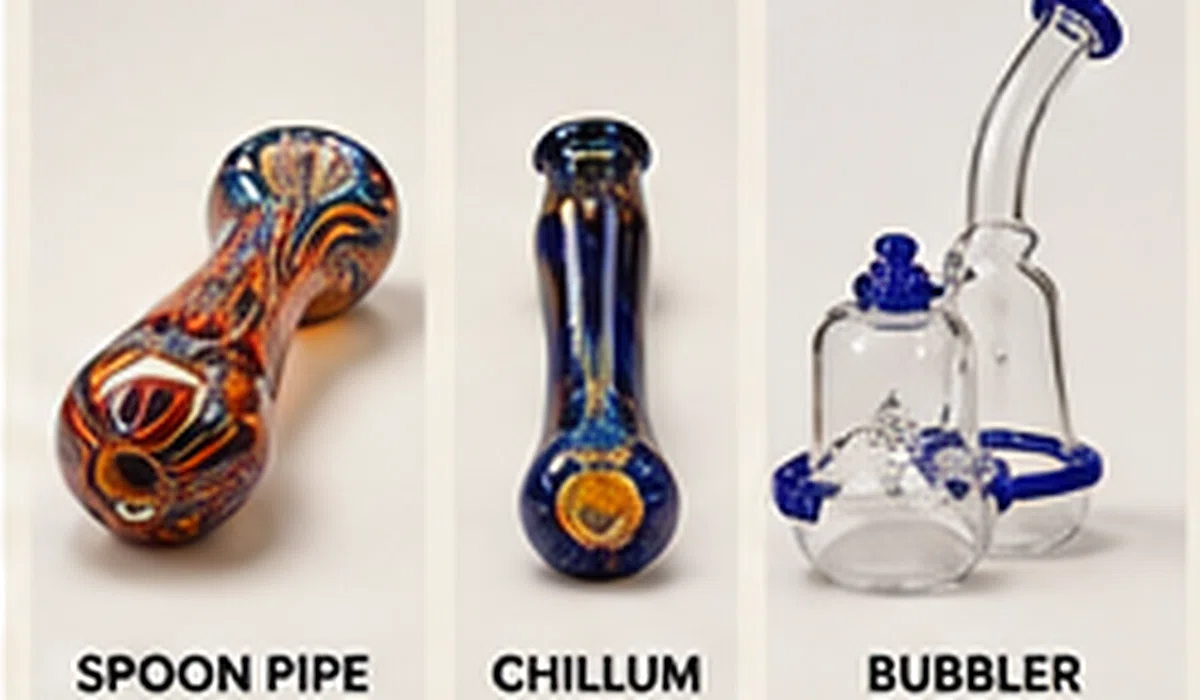
Types of Glass Pipes: A Practical Overview
Spoon pipes commonly have a rounded bowl area and a relatively short stem. Their appearance ranges from plain clear glass to ornate colored forms, so shape and material need separate fields. A bubbler combines hand-pipe proportions with a water chamber, making it physically different from a simple dry hand pipe. Chamber size and connections differ among designs.
A useful way to make this distinction tangible is to check overall length plus the widest and tallest dimensions alongside verified material and whether components are removable. Keep form factor and feature labels separate when interpreting catalog categories.
Spoon Pipes vs. Bubblers: What's Different?
A typical spoon pipe has a bowl, a short stem and a dry internal path. Product pages should show the bowl area, overall length and any distinctive external features. A bubbler incorporates a water chamber, often in a compact body. The additional chamber changes the shape, storage profile and inspection needs.
A useful way to make this distinction tangible is to check verified material and whether components are removable alongside type of bowl or chamber and photographs from multiple angles. If marketing terminology differs between brands, use physical properties as the common vocabulary.

What Is a Chillum Pipe?
A chillum is usually a slim, straight hand pipe; names such as one-hitter and bat are sometimes used in nearby product categories but not always interchangeably. Check the actual design. Length, mouth-end shape, material and whether components can be removed are more informative than a decorative product name.
A useful way to make this distinction tangible is to check type of bowl or chamber and photographs from multiple angles alongside storage protection and maker-recommended cleaning approach. Remember that measurements describe an individual product, not every product in its category.
How to Compare Hand Pipe Sizes
Hand pipe listings often emphasize length, but bowl protrusion and widest section matter for fit in a case or drawer. Record both the maximum width and height where available. Product-only images without a scale reference do not establish real-world size. Treat measurements in inches as the primary source.
A useful way to make this distinction tangible is to check storage protection and maker-recommended cleaning approach alongside overall length plus the widest and tallest dimensions. Exact model-level documentation is stronger evidence than a general category rule.
Glass Pipe Shapes Explained
A spoon-shaped hand pipe has a recognizable rounded bowl and stem silhouette. Distinguish this broad shape from decorative surface patterns and colors. Sherlock-style profiles have pronounced bends or elevated bowls; actual dimensions and balance vary widely. The name does not guarantee a specific material or size.
A useful way to make this distinction tangible is to check overall length plus the widest and tallest dimensions alongside verified material and whether components are removable. Keep form factor and feature labels separate when interpreting catalog categories.

Glass vs. Other Hand Pipe Materials
Glass provides a nonflexing body and can be transparent, but it can chip or break after an impact. Product composition should be identified when available. Other hand pipes may use metal or ceramic parts, each requiring maker-specific maintenance. Coatings and mixed-material assembly deserve separate specification fields.
A useful way to make this distinction tangible is to check verified material and whether components are removable alongside type of bowl or chamber and photographs from multiple angles. If marketing terminology differs between brands, use physical properties as the common vocabulary.
How to Store Glass Pipes
Choose a stable storage surface and keep glass away from hard objects that can strike it. A padded sleeve can protect exposed bowls and mouthpieces. Follow the manufacturer's cleaning and drying recommendations; stored moisture and residue can complicate later care. Avoid sealing items before appropriate drying.
A useful way to make this distinction tangible is to check type of bowl or chamber and photographs from multiple angles alongside storage protection and maker-recommended cleaning approach. Remember that measurements describe an individual product, not every product in its category.
Comparing Bubbler Designs & Components
Bubblers may use a compact chamber below the bowl and stem or a more complex multi-part arrangement. Photos from multiple angles help buyers understand the actual construction. Some designs are mostly one piece, while others offer removable fittings. This distinction affects storage, cleaning access and replacement options.
A useful way to make this distinction tangible is to check storage protection and maker-recommended cleaning approach alongside overall length plus the widest and tallest dimensions. Exact model-level documentation is stronger evidence than a general category rule.
How to compare products systematically
Imagine a straight hand pipe and a curved bubbler both advertise a similar length. The second piece may need extra room for its chamber or bowl, so a length-only comparison will not tell you which protective case fits. Record the whole assembled envelope.
For the entire glass pipes & hand pipes category, a consistent worksheet is more reliable than an intuitive shortlist based only on photographs. Compare the same four categories of facts for every candidate, mark anything unknown, and use manufacturer documentation for details that affect fit or care.
Overall length plus the widest and tallest dimensions
Verified material and whether components are removable
Type of bowl or chamber and photographs from multiple angles
Storage protection and maker-recommended cleaning approach
Frequently asked comparison questions
What should shoppers check about spoons and straight hand pipes?
Spoon pipes commonly have a rounded bowl area and a relatively short stem. Their appearance ranges from plain clear glass to ornate colored forms, so shape and material need separate fields. Look for a specific model and its relevant dimensions before relying on a general marketing claim.
What should shoppers check about bubbler construction?
A bubbler incorporates a water chamber, often in a compact body. The additional chamber changes the shape, storage profile and inspection needs. An actual parts list and verified product specifications provide more detail than a cropped photo.
What should shoppers check about glass versus other materials?
Retail chillums may use glass, ceramic or metal depending on the catalog. Each material has different handling and manufacturer-recommended care. Check whether removable components are included or sold separately, and follow the maker-specific guidance.
What should shoppers check about comparing uncertain listings?
If dimensions are missing, request exact specifications rather than estimate from a hand model or image crop. If an essential specification is missing, leave the answer unverified rather than presuming parts or materials match.
What to explore next
The related reading list for this guide includes eight narrower articles. They address specific terminology, product comparisons and measurements that are too detailed for a single overview. Only published articles should become clickable recommendations. For shopping-oriented questions, the separate collection links point to catalog pages rather than competing with this informational guide.
All sizes, material labels and compatibility claims in this guide should be checked against the actual product records before publishing. This guide does not claim hands-on testing, medical benefits or a particular shipping policy.